
Top Waterproofing Products for Effective Moisture Protection
Discover the leading waterproofing solutions designed to safeguard your property from water damage and ensure long-lasting durability.
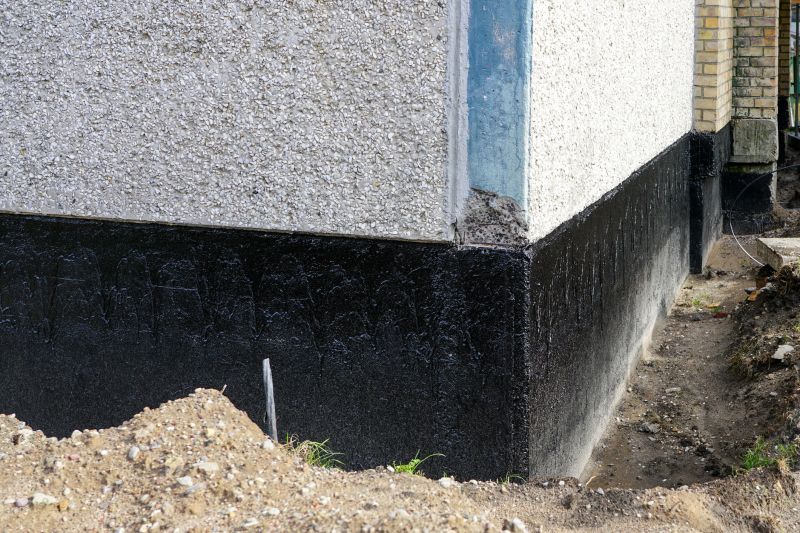 Waterproofing products are essential for protecting structures from water intrusion, preventing damage caused by moisture, leaks, and seepage. Whether applied to foundations, roofs, basements, or interior walls, the right waterproofing solutions can help maintain the integrity of a building and extend its lifespan. These products come in various forms, including membranes, sealants, coatings, and tapes, each suited to different applications and surfaces. Proper selection and application are crucial to ensure effective water resistance and to avoid issues such as mold growth, structural deterioration, or interior water damage.
Top Overall Option
Flexible Waterproof Coating System
A versatile and durable waterproof coating system that can be applied to a variety of surfaces, including concrete, brick, and wood. It offers a flexible barrier that adapts to surface movements, providing long-lasting protection against water penetration. Ideal for both interior and exterior applications, this type of coating is easy to apply with brushes, rollers, or sprayers, and it often comes in ready-to-use formulations. Its ability to resist cracking and peeling makes it a reliable choice for many waterproofing needs.
Types of Products For Waterproofings
Liquid Rubber Waterproof Coatings
Flexible liquid coatings that form seamless, waterproof membranes on various surfaces, suitable for roofs, basements, and decks.
Bituminous Membranes
Self-adhesive or torch-applied membranes made from asphalt-based materials, commonly used for roof and foundation waterproofing.
Polyurethane Sealants
High-performance sealants ideal for filling gaps, cracks, and joints to prevent water intrusion.
Cementitious Waterproof Coatings
Waterproof cement-based coatings suitable for basement walls, tunnels, and water tanks.
Acrylic Waterproof Coatings
Water-based coatings that provide a breathable, flexible barrier for roofs and walls.
Waterproofing Tapes
Self-adhesive tapes designed for quick sealing of joints, cracks, and seams in various surfaces.
Polyethylene Sheets
Heavy-duty sheets used as vapor barriers or underlayments in foundation and roofing projects.
Bitumen Coatings
Thick, tar-like coatings used for waterproofing foundations, basements, and flat roofs.
Epoxy Waterproof Coatings
High-strength coatings suitable for concrete surfaces exposed to water or moisture.
Crystalline Waterproofing
Chemical treatments that penetrate concrete to create a waterproof barrier from within.
Spray-On Waterproof Membranes
Sprayable coatings that form a seamless waterproof layer, ideal for irregular surfaces and complex geometries.
Hydrophobic Paints
Specialized paints that repel water on surfaces like brick, stone, and concrete.
Popular Choices
Widely used for their flexibility and ease of application on various surfaces, suitable for roofs and basements.
Commonly selected for roof and foundation waterproofing due to their durability and adhesive qualities.
Popular for sealing joints and cracks in both residential and commercial projects.
Often chosen for their compatibility with concrete surfaces in basements and water tanks.
Favored for their breathability and flexibility on exterior walls and roofs.
Ideal for quick repairs and sealing joints, especially in plumbing and roofing applications.
Commonly used as vapor barriers in foundation and slab applications.
Frequently selected for their thick, tar-like consistency and reliable waterproofing properties.
Popular for concrete surfaces exposed to moisture, providing a durable seal.
Chosen for internal waterproofing of concrete structures, creating a chemical barrier.
Favored for their seamless application on complex surfaces and irregular shapes.
Popular for exterior masonry surfaces to repel water and prevent staining.
In residential settings, waterproofing is often necessary around basements and foundations to prevent water ingress during heavy rains or snow melts. For roofing, waterproof coatings help protect against leaks and weathering, especially in areas prone to frequent storms. Interior waterproofing options are useful for sealing basements or crawl spaces, creating a barrier that blocks moisture from seeping through walls or floors. Commercial and industrial structures may require specialized waterproofing systems designed to withstand harsher conditions or larger water volumes.
When choosing waterproofing products, factors such as the type of surface, exposure conditions, and longevity requirements should be considered. Proper surface preparation, including cleaning and priming, can significantly influence the effectiveness of the waterproofing application. Regular inspections and maintenance are recommended to ensure continued protection, especially in areas exposed to constant moisture or extreme weather. Investing in high-quality waterproofing materials can help safeguard property value and reduce long-term repair costs, making it a vital consideration for homeowners and property managers alike.
Key Buying Considerations
- Determine the specific area or surface that needs waterproofing to select the most suitable product type.
- Assess the exposure conditions, such as rainfall, humidity, and temperature fluctuations, to choose durable solutions.
- Consider the compatibility of the waterproofing material with existing surfaces to ensure proper adhesion.
- Evaluate the ease of application, including whether professional help is needed or if DIY is feasible.
- Check for flexibility in the product to accommodate surface movements without cracking.
- Review the drying and curing times to plan application schedules accordingly.
- Look into the longevity and maintenance requirements of the product for long-term effectiveness.
- Identify whether the product is suitable for interior, exterior, or underground applications.
- Ensure the product is compatible with other building materials used in the project.
- Verify if the waterproofing solution is resistant to UV rays if exposed to sunlight.
- Consider the environmental conditions, such as potential chemical exposure or foot traffic, that could impact performance.
- Review safety instructions and ensure proper handling and ventilation during application.
- Determine if the product offers seamless coverage or requires multiple coats for optimal protection.
- Assess cost-effectiveness by balancing initial investment with expected durability and maintenance needs.
- Look for products with good user reviews and proven performance in similar applications.